Custom Home Financing on the Gulf Coast
Randal · · 11 min read
Learn about luxury custom home financing options on the Gulf Coast with RHS LLC. Call now to start your dream home journey with expert guidance and trusted builders.
Building a luxury custom home along the Gulf Coast represents one of the most significant investments you'll make, and understanding how to navigate the financing process can mean the difference between breaking ground on your dream home or watching the opportunity slip away. From Fairhope, Alabama to Panama City Beach, Florida, homeowners seeking bespoke residential construction often face unique lending challenges that differ dramatically from traditional mortgage scenarios. Whether you're planning a ground-up build in Destin, a waterfront estate in Gulf Shores, or a full-home transformation in Pensacola, knowing your financing options and how to prepare for the custom home lending process will set you up for success from the very first consultation.
Why Custom Home Financing Differs from Traditional Mortgages
When you purchase an existing home, the property itself serves as immediate collateral for your lender. The appraisal, inspection, and title work all reference a completed structure with a documented market value. Custom home construction introduces a fundamentally different scenario: you're asking a lender to finance a vision that exists only on paper, with land that may or may not have been purchased, and a builder whose track record and financial stability become part of the underwriting equation.
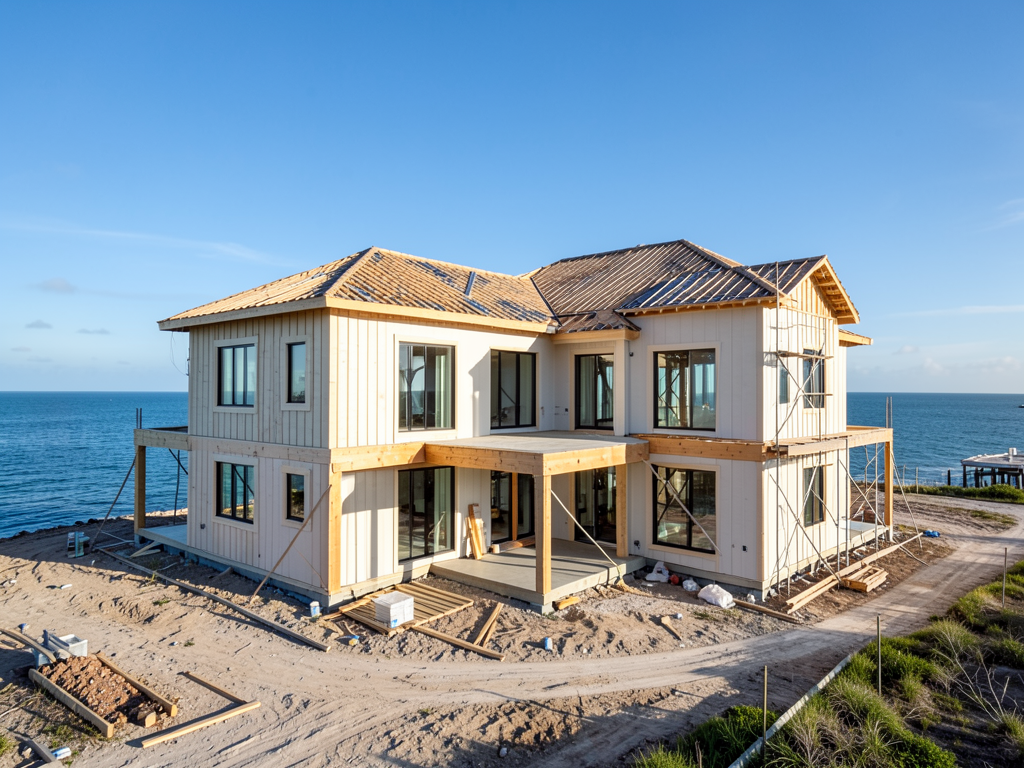
Construction loans typically function as short-term, interest-only instruments that convert to permanent financing once the home reaches completion and receives its certificate of occupancy. During the build phase, funds are released in scheduled draws tied to specific milestones—foundation completion, framing, mechanical rough-in, and final finishes. This staged disbursement protects both the lender and the borrower, ensuring that capital flows only as verifiable progress occurs on site.
The Role of Builder Experience in Loan Approval
Lenders evaluating custom home projects place significant weight on the builder's reputation, longevity, and completion history. RHS LLC brings 42 years of experience and more than 1,400 completed homes to every project consultation, providing the documented track record that construction lenders require. Third-generation builders with decades of Gulf Coast experience offer lenders the assurance that projects will be completed on schedule, within budget, and to the quality standards that protect the collateral value of the finished home.
Owner-operated firms where consultations and project oversight come directly from the principal—rather than a rotating sales team—further strengthen the lending profile. When Randal H. Simmons personally manages your project from first meeting to final walkthrough, lenders recognize the continuity and accountability that reduce construction risk.
Construction-to-Permanent Loans Explained
The most common financing vehicle for custom homes is the construction-to-permanent loan, often called a "one-time close" or "single-close" loan. This instrument combines the construction phase and the long-term mortgage into a single loan agreement, eliminating the need for two separate closings, two sets of fees, and two rounds of underwriting.
How the Construction Phase Works
During construction, you pay only interest on the funds that have been drawn and released to the builder. If your total loan is approved for $600,000 but only $150,000 has been disbursed after the foundation and framing stages, your interest payments are calculated solely on that $150,000. This structure keeps your monthly obligations manageable while the home is under construction, typically spanning six to twelve months depending on the scope and complexity of the build.
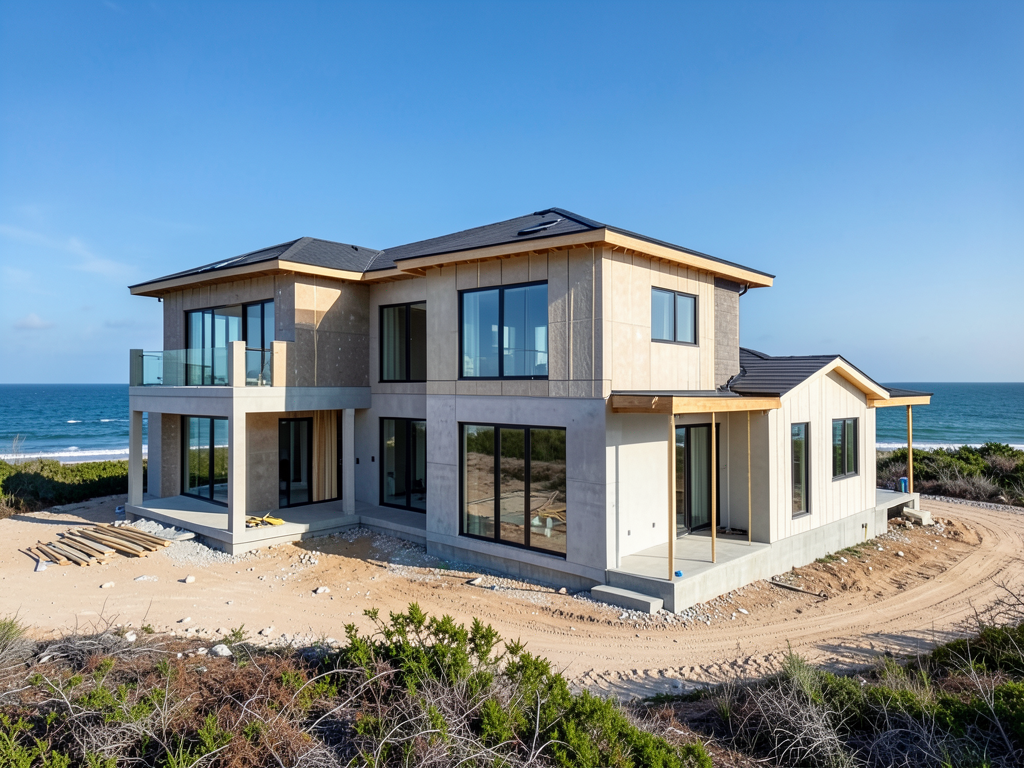
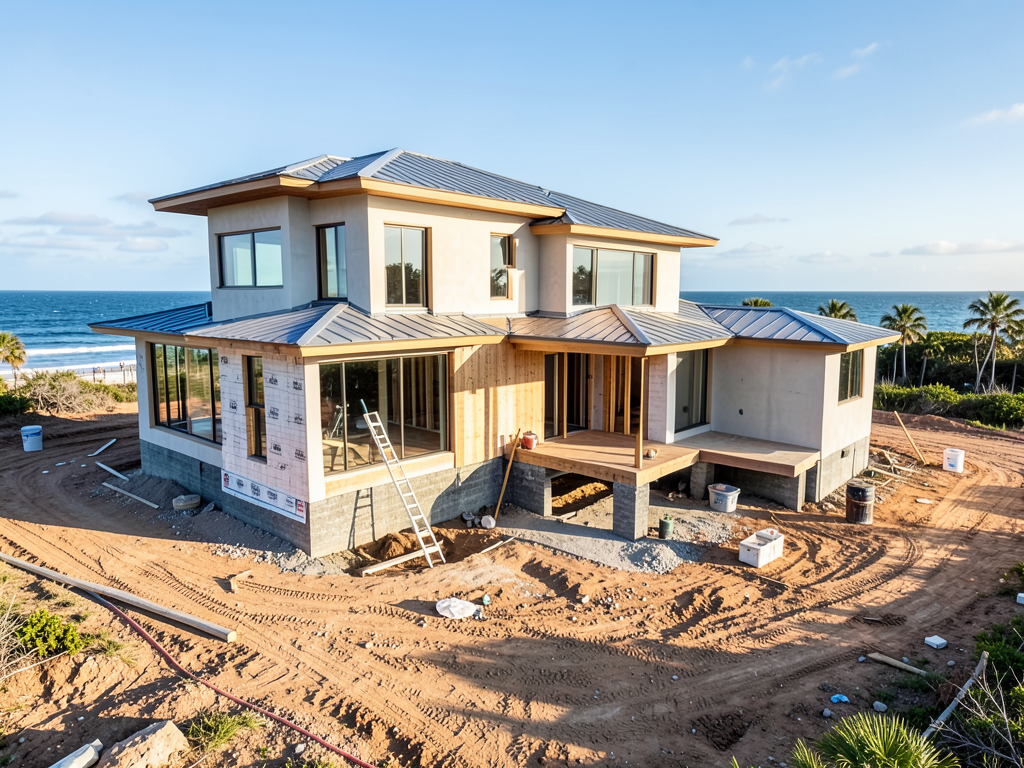
Draws are released after the lender's inspector verifies that the work described in the draw request has been completed. For a luxury custom home in Navarre or Santa Rosa Beach, this might include inspections of the foundation and slab, framing and roof structure, rough mechanical systems, insulation and drywall, finish carpentry and fixtures, and final completion. The lender holds back a small percentage—often five to ten percent—until the very end to ensure that all punch-list items are resolved and final lien waivers are delivered.
Conversion to Permanent Financing
Once your custom home receives its certificate of occupancy and passes the final lender inspection, the construction loan automatically converts to a traditional mortgage. At this point, your interest-only payments shift to principal-and-interest payments based on the fully amortized loan amount, and the interest rate locks in according to the terms established at closing. One-time close loans allow you to lock your rate at the beginning of the process, protecting you from rate increases that might occur during the months of construction.
Qualifying for a Custom Home Construction Loan
Construction lenders apply stricter qualification standards than those used for conventional home purchases. Because the collateral doesn't yet exist and the project carries inherent completion risk, underwriters look for stronger financial profiles and larger down payments.
Down Payment Requirements
Most construction-to-permanent loans require a down payment of at least twenty percent of the total project cost, including land acquisition if the lot is not already owned free and clear. For luxury custom homes featuring high-end interior finishes, smart home integration, and custom architectural design, lenders may ask for twenty-five percent or more. If you already own your lot outright, the appraised value of the land can often be credited toward your down payment requirement, reducing the cash you need to bring to closing.
When building on your lot in Gulf Breeze, Fort Walton Beach, or Niceville, it's important to have your land appraised early in the planning process. Lenders will order their own appraisal, but knowing the probable value helps you understand how much additional cash you'll need and whether the land equity will cover the down payment threshold.
Credit Score and Debt-to-Income Ratio
Construction loans typically require a minimum credit score of 680, with many lenders preferring scores above 700 for competitive rates. Your debt-to-income ratio—the percentage of your gross monthly income consumed by debt obligations—should generally remain below 43 percent, though some portfolio lenders offer flexibility for borrowers with significant reserves or compensating factors.
If you're planning a luxury custom home with a higher price point, demonstrating liquidity and reserves becomes even more important. Lenders want to see that you can cover six to twelve months of mortgage payments, property taxes, and insurance premiums even after making your down payment and paying closing costs.
Documentation and Financial Transparency
Expect to provide two years of tax returns, two months of bank statements, recent pay stubs, and verification of any other income sources. Self-employed borrowers will need to supply profit-and-loss statements and may be asked for additional documentation to verify income stability. The more transparent and organized your financial picture, the smoother your underwriting process will be.
Alternative Financing Paths for Custom Home Builds
Not every custom home project follows the construction-to-permanent loan model. Depending on your financial situation, timeline, and long-term plans, other financing structures may offer advantages.
Lot Acquisition Loans
If you've found the perfect parcel in Orange Beach or Freeport but aren't ready to break ground immediately, a land loan can help you secure the property while you finalize your plans. Land loans typically carry higher interest rates and shorter terms than construction loans, but they allow you to lock in the site and begin the planning and permitting process without committing to a full construction budget.
Once you're ready to build, you can roll the land loan balance into a construction-to-permanent loan, simplifying your financing and potentially improving your loan-to-value ratio if the land has appreciated during the planning phase.
Home Equity Lines of Credit
Homeowners who already own a primary residence with significant equity may choose to tap that equity through a home equity line of credit (HELOC) to fund a custom build on a second property or to cover the down payment on a construction loan. This strategy works particularly well for buyers building a luxury coastal home as a second residence or future retirement property, allowing them to preserve liquidity while leveraging existing real estate assets.
Portfolio and Private Lenders
High-net-worth individuals and buyers with non-traditional income sources sometimes find more flexibility with portfolio lenders—banks and credit unions that hold loans on their own books rather than selling them to secondary markets. Portfolio lenders can customize loan terms, waive certain documentation requirements, and approve projects that don't fit conventional underwriting guidelines.
Private lenders and family offices also serve the luxury custom home market, offering bridge financing, interest-only terms, and creative structures that accommodate complex financial situations. These loans typically come with higher interest rates and fees, but they provide speed and flexibility that can be invaluable when timing or unique circumstances demand a non-standard approach.
Preparing for Your Financing Consultation
The earlier you begin conversations with lenders, the more options you'll have and the fewer surprises you'll encounter. Before your first meeting with a loan officer, gather the financial documentation outlined above and prepare to discuss your project in detail.
Project Budget and Scope
Lenders will want to see a detailed budget that includes land cost, construction cost, design and engineering fees, permit and inspection fees, and contingency reserves. If you're working with RHS LLC on a Build On Your Lot project, published base pricing and complete floor-plan documentation provide the transparency lenders need to evaluate the project and move quickly through underwriting.
For fully custom designs, a detailed cost estimate from your builder—broken down by phase and trade—helps lenders understand the scope and allocate draw schedules appropriately. The more granular and realistic your budget, the more confidence your lender will have in the project.
Builder Qualifications and References
Be prepared to provide your lender with your builder's contact information, licensing and insurance documentation, and a list of recent projects. Lenders often contact builders directly to verify experience, confirm that the builder carries adequate liability and workers' compensation coverage, and review the builder's financial stability. Working with an established, owner-operated builder like RHS LLC streamlines this process and eliminates the due diligence delays that can occur with newer or less documented contractors.
Timeline and Contingency Planning
Construction loans include a defined completion window, typically twelve to eighteen months. If your project extends beyond that window, extension fees and rate adjustments may apply. Discuss realistic timelines with your builder during the consultation phase, and build in contingency buffers for permitting delays, weather disruptions, and supply chain variables that are common along the Gulf Coast.
Financing Considerations for Full-Home Transformations
If your project involves a full-home transformation rather than ground-up construction, your financing options shift slightly. Renovation loans—such as FHA 203(k) or Fannie Mae HomeStyle loans—allow you to finance both the purchase of an existing home and the cost of comprehensive renovations in a single mortgage.
These programs work well for whole-home projects that include structural additions, complete interior redesign, and major systems upgrades. Because RHS LLC focuses exclusively on full-home transformations and does not offer single-room remodels or small renovation services, these loan products align naturally with the scope and scale of the projects the company undertakes.
Renovation loans require detailed scopes of work, contractor bids, and architectural plans before closing. The renovation funds are held in escrow and released on a draw schedule similar to new construction loans, with inspections verifying progress before each disbursement.
Hurricane-Ready Construction and Insurance Implications
Building along the Gulf Coast from Fairhope to Panama City Beach means designing and constructing homes that meet or exceed the region's demanding wind and water resilience standards. Hurricane-ready construction is a stated standard on luxury custom homes built by RHS LLC, and lenders recognize that these enhanced building practices protect their collateral and reduce long-term risk.
During the financing process, your lender will require proof of homeowners insurance and, in many coastal zones, separate windstorm and flood coverage. Premiums for these policies can be significant, and lenders will factor them into your debt-to-income ratio when evaluating your loan application. Choosing a builder with demonstrated expertise in coastal resilience and energy-efficient building systems can help reduce insurance costs and improve your overall loan profile.
Seasonal Timing and Construction Schedules
The Gulf Coast building season brings unique considerations for financing and scheduling. Summer months deliver intense heat and afternoon thunderstorms that can slow exterior work, while late summer and fall bring the possibility of named storms that halt construction entirely. Winter and early spring typically offer the most predictable weather windows for framing, roofing, and exterior finishes.
Aligning your financing timeline with favorable construction seasons can help you avoid weather-related delays that extend your construction loan and increase carrying costs. Discussing seasonal variables during your consultation with Randal H. Simmons ensures that your project schedule, draw timeline, and loan term are all properly coordinated.
Why Owner-Operated Builders Simplify the Financing Process
When you work with a large production builder or a general contractor who juggles dozens of projects simultaneously, lender communication can become fragmented. Draw requests may be delayed, inspection coordination falls through the cracks, and the documentation trail grows muddy. These inefficiencies frustrate lenders, slow down fund releases, and can jeopardize your loan approval or extension terms.
Owner-operated builders who maintain personal oversight from first meeting to final walkthrough eliminate these friction points. Randal H. Simmons handles consultations directly, maintains detailed project records, and coordinates inspections and draw requests with the professionalism and responsiveness that lenders expect. This continuity and accountability translate to smoother underwriting, faster draw approvals, and fewer surprises throughout the construction process.
Financing Guidance as Part of Your Consultation
RHS LLC offers financing guidance for qualified projects, and these conversations begin during your free in-person consultation. While the company does not serve as a lender or mortgage broker, Randal H. Simmons can discuss project budgets, realistic cost expectations, and the documentation your lender will require. This early guidance helps you enter the formal financing process better prepared and more confident.
For buyers exploring new construction in Destin, Panama City Beach, or any of the thirteen communities served by RHS LLC, scheduling a consultation before approaching lenders ensures that your project scope, budget, and timeline are realistic and aligned. Lenders respond more favorably to borrowers who arrive with a clear plan, a qualified builder, and a well-documented project proposal.
Taking the First Step Toward Financing Your Custom Home
Financing a luxury custom home on the Gulf Coast requires preparation, patience, and partnership with experienced professionals who understand both the lending landscape and the unique demands of coastal construction. Whether you're building on your own lot in Gulf Shores, planning a waterfront estate in Pensacola, or reimagining an existing home in Foley, taking the time to understand your financing options and organize your financial profile will pay dividends throughout the process.
RHS LLC invites you to schedule a free in-person consultation by calling (850) 786-2143 or booking online at https://www.rhsluxurycustomhomes.com/book. During your consultation, you'll discuss your vision, review your site or plans, and receive candid guidance on budgeting, financing, and the custom home process. With 42 years of experience and personal oversight on every project, Randal H. Simmons brings the expertise and accountability that both you and your lender will value from day one.
Ready to build?
Schedule a free in-person consultation with Randal H. Simmons. Consultations are by appointment.
Get A Consultation